How Fast Access to Replacement Parts Saves Warehouse Operations
Most warehouses operate on tight schedules.
Inventory must be received, stored, and shipped on time. Forklifts, pallet jacks, reach trucks, and other equipment must be available when needed.
Now here’s the harsh truth: equipment failure can create a ripple effect across the operation.
A single breakdown may slow order fulfillment. It reduces labor productivity and impacts customer service. Disruptions can spread quickly, especially when multiple departments depend on the same equipment.
Unfortunately, some businesses misjudge the disadvantages of downtime. They focus primarily on repair expenses. In reality, the largest losses come from interrupted workflows and missed operational targets. Delayed access to replacement parts may further extend downtime and increase those costs.
In this article, we’ll look at the real costs of warehouse downtime and examine the factors that influence forklift downtime costs. We also discuss the maintenance strategies that help keep your operations moving.
What Is Warehouse Downtime?
Warehouse downtime occurs when equipment or processes are unavailable for use.
Some of the most typical causes of downtime are:
• Equipment breakdowns
• Lack of replacement parts
• Delayed repairs
• Poor maintenance planning
• Supply chain disruptions
• Unexpected component failures
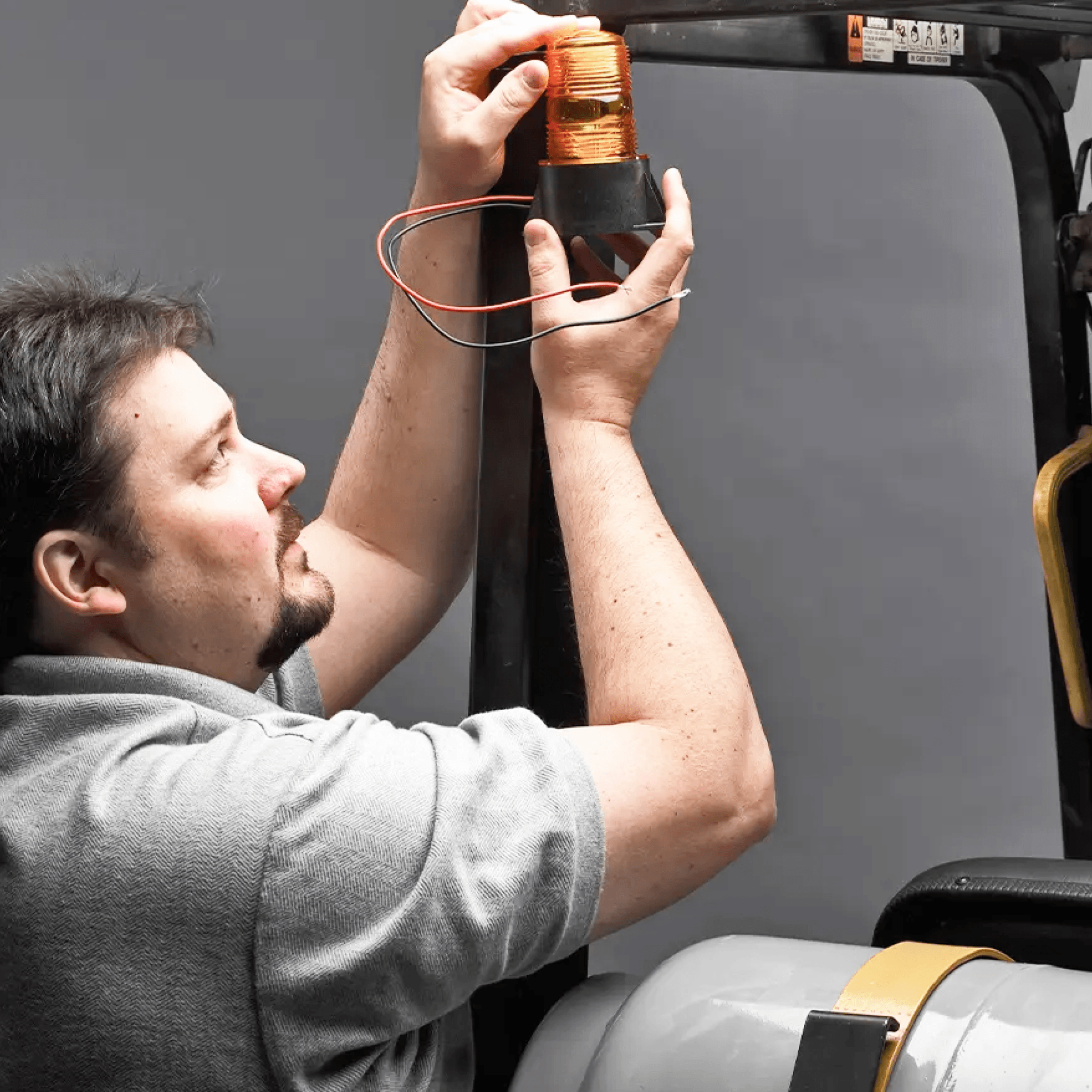
In fast-paced warehouse environments, each period of downtime creates operational bottlenecks. It affects the entire facility and workforce. When a critical machine is unavailable, workers are unable to complete tasks on time. Throughput eventually decreases. Plus, labor costs continue to accumulate.
Understanding Warehouse Downtime Costs
Some warehouse operators underestimate downtime and focus only on repair costs. In reality, the impact spreads across the entire operation.
Forklift Downtime Cost: Why It Matters So Much
Forklifts play a vital role in daily warehouse operations.
They support nearly every stage of material movement, including:
• Receiving
• Put-away
• Inventory replenishment
• Order picking
• Trailer loading

Most warehouses operate with a limited number of forklifts. So, a single unit’s failure often causes additional strain on the remaining fleet.
Consider a distribution center during peak shipping hours. If one forklift becomes unavailable near the loading docks, inventory movement slows immediately. Operators may need to share equipment and adjust workflows. Otherwise, they may face shipment delays while waiting for repairs.
In some cases, the repair may only require a relatively inexpensive component. However, the operational losses created by the downtime can be much greater than the cost of the replacement part.
How Delayed Equipment Parts Extend Downtime
A small component can render an entire machine unusable. The speed of a repair usually depends on the availability of replacement parts. Even expert technicians cannot complete repairs without the right components.
That said, several issues may further extend downtime. This includes:
• Backordered parts
• Limited local inventory
• Slow supplier response times
• Shipping delays
• Incorrect parts identification
• Ordering errors

Some examples of components that need replacement include:
• Hydraulic seals
• Electrical sensors
• Bearings
• Contactors
• Solenoids
• Control switches
As mentioned, fast access to replacement parts allows maintenance teams to complete repairs sooner. This reduces the operational consequences of equipment failures.
Common Equipment Failures That Cause Warehouse Downtime
Several component failures contribute to warehouse disruptions.
Here are some examples:
Why Preventive Maintenance Reduces Downtime
Preventive maintenance identifies equipment issues before they lead to equipment failure. With it, teams can perform inspections and service at scheduled intervals. They won’t have to wait for breakdowns before tending to their machine.
Effective preventive maintenance practices include:
• Routine inspections
• Scheduled parts replacement
• Lubrication programs
• Hydraulic system checks
• Battery maintenance
• Tire inspections

When done right, these activities help teams prevent unplanned downtime and unnecessary expenses. For example, replacing a worn hydraulic seal during scheduled maintenance is a relatively simple fix. In comparison, waiting for a hydraulic system failure often results in costly repairs.
To sum it up, preventive maintenance greatly improves equipment reliability. Furthermore, it allows facilities to plan maintenance activities around operational schedules.
Building a Smart Equipment Maintenance Strategy
A strong maintenance strategy combines these important factors:

How Fast Access to Replacement Parts Saves Warehouse Operations
Fast access to replacement parts directly improves equipment uptime. Repairs move faster when parts are in stock. Equipment immediately returned to operation with minimal disruption.
Warehouse teams experience the following benefits:
• Shorter repair times
• Reduced workflow interruptions
• Lower labor inefficiencies
• Improved fleet availability
• Better equipment reliability
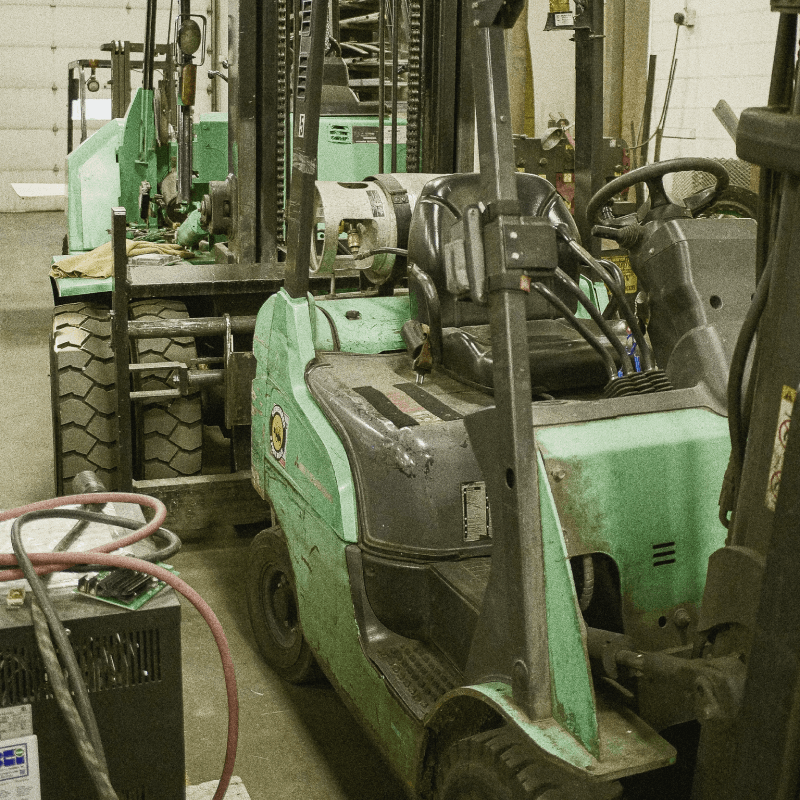
Consider a warehouse that experiences a forklift sensor failure during a busy shipping period. If the replacement sensor is available immediately, the repair may be completed within hours. If the part must be sourced from a distant supplier, downtime could extend for days.
The difference can significantly affect productivity, labor allocation, and customer service performance.
Experienced industrial parts suppliers support uptime by maintaining inventory, providing technical assistance, and helping customers identify the correct components quickly.
Case Study: Preventing Extended Forklift Downtime
In Grand Rapids, a distribution center had an unexpected forklift breakdown. It happened during a busy shipping period. The failed component was a hydraulic sensor. It prevented the truck from operating safely.Without a replacement part, the forklift would have remained out of service for several days. Instead of ordering from an out-of-state supplier, the maintenance team sourced the sensor through a local supplier. The replacement part was delivered the same day. Repairs were immediately completed before the next shift.
Because the equipment returned to service quickly, the facility avoided overtime labor and disruptions to outbound orders.
Technology and Predictive Maintenance
Modern maintenance programs use technology to reduce downtime risk.
Some of the top tools for equipment include:
• Equipment sensors
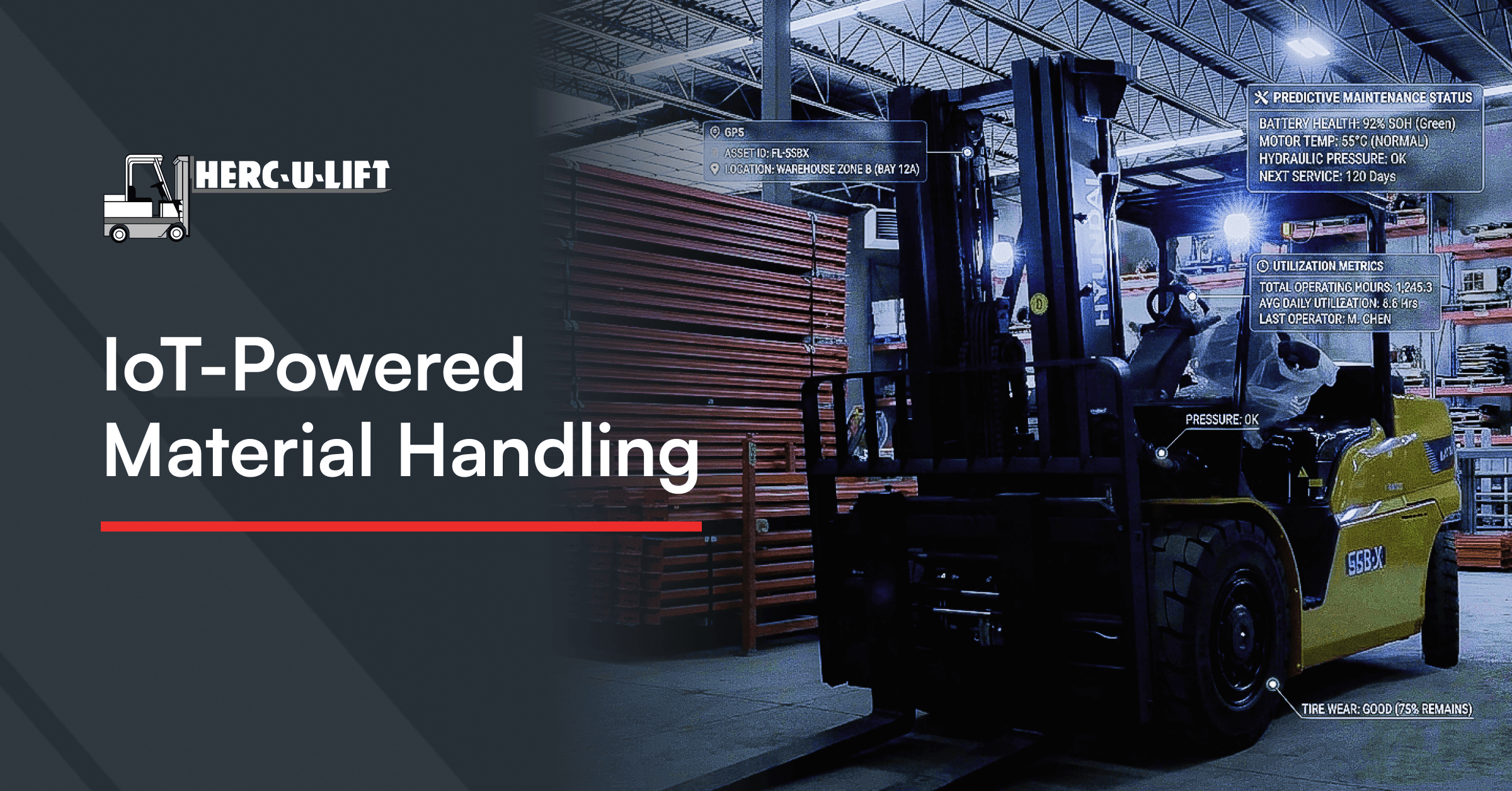
• Forklift telematics
• Fleet monitoring software
• Predictive maintenance platforms
• Performance analytics systems
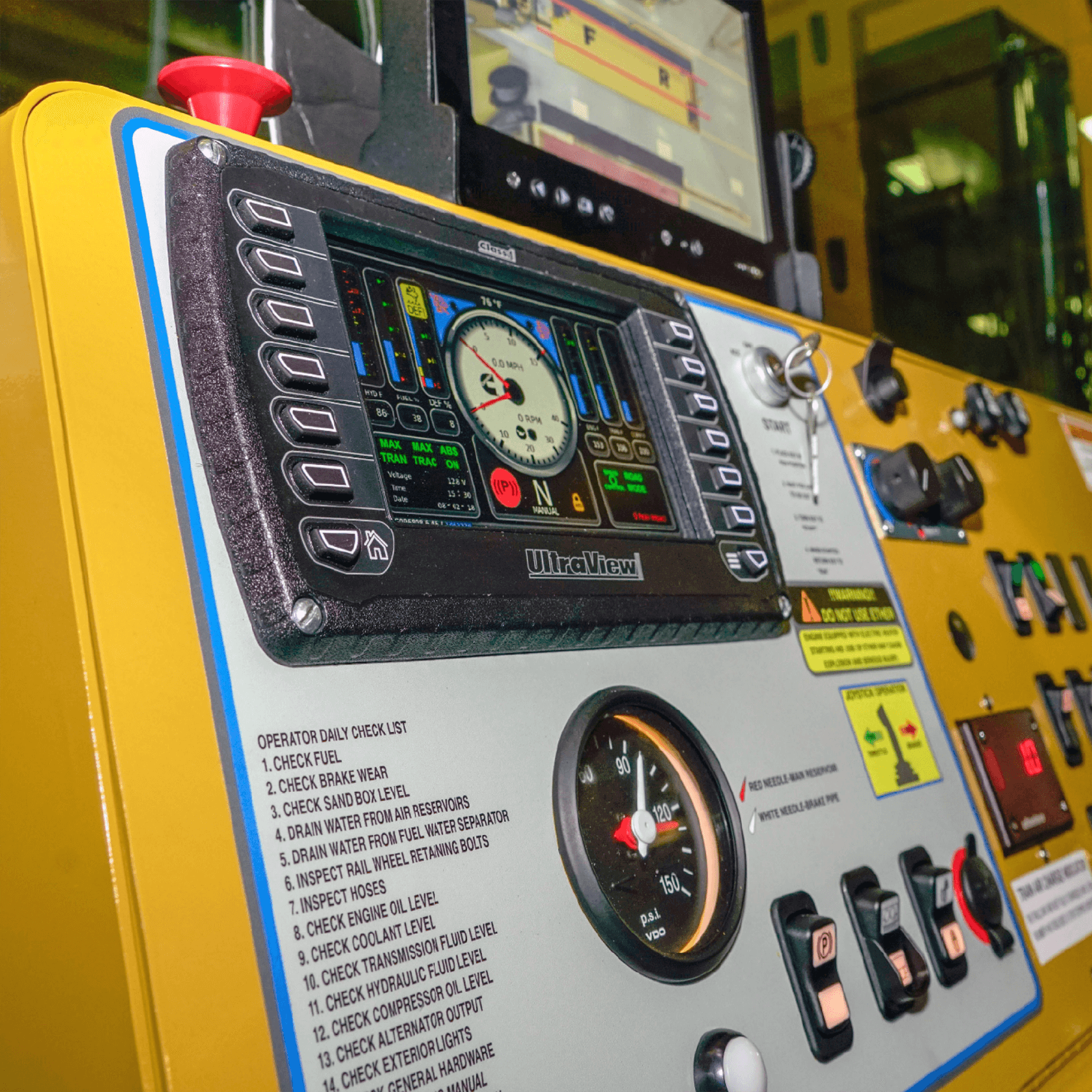
These technologies collect data from daily operations. As such, maintenance teams can easily monitor:
• Runtime hours
• Battery condition
• Temperature trends
• Vibration levels
• Equipment utilization
Abnormal patterns often indicate developing issues. For example, increasing vibration levels may signal bearing wear. Maintenance teams can immediately schedule repairs before the component fails.
Frequently Asked Questions About Warehouse Downtime
Conclusion
Ultimately, warehouse downtime is an operational issue that affects productivity, labor efficiency, customer service, and profitability.
As warehouses become more demanding and fulfillment expectations continue to rise, equipment reliability becomes increasingly important. The ability to respond quickly when failures occur can make the difference between a minor disruption and a major operational setback.
Organizations that combine preventive maintenance with dependable access to replacement parts are better positioned to maintain consistent performance and minimize costly interruptions. In many cases, the fastest way to protect productivity is not simply repairing equipment quickly. It is ensuring the right parts are available when they are needed.



 →
→