Common Forklift Battery Problems and When to Call a Technician
When Your Forklift Battery Needs Professional Service
The morning shift has barely started. All of a sudden, your forklift loses power.
Pallets begin piling up. Operators wait for replacement equipment. Your shipments are now behind schedule.
What started as a single issue immediately spreads across your warehouse.
Forklift battery problems usually start small. You may notice declining runtime or slower forklift battery charging. Or the problem may be corrosion or excessive heat.
That said, recognizing the red flags early prevents unexpected downtime.
Professional industrial battery service can help warehouse managers. Routine forklift battery inspection and preventive maintenance spot potential issues before they disrupt day-to-day operations.
In this guide, we share the most common forklift battery problems. We also explain what technicians look for during a service visit. Plus, we discuss when repair or replacement may be the best solution.
Why Forklift Battery Service Matters
A forklift battery does more than power the equipment. It directly affects the machine’s availability and productivity. With reliable batteries, forklifts stay in service longer. Materials continue moving without unnecessary interruptions.
Routine forklift battery maintenance is a critical form of preventive care. Technicians inspect, test, and maintain critical components. Issues are resolved before the battery fails and requires a major repair.

Regular industrial battery maintenance helps:
- • Reduce lost productivity
- • Prolong battery service life
- • Improve charging efficiency and runtime
- • Identify developing problems before they lead to equipment failure
- • Support safer battery operation
- • Lower long-term maintenance costs
For operations that depend on multiple forklifts, even one battery failure can disrupt the entire schedule. Preventive battery service minimizes disruptions while improving your fleet’s reliability.
Both lead-acid and lithium-ion batteries benefit from routine inspections and forklift battery diagnostics. These services help keep equipment operating at its best.
Common Causes of Forklift Battery Problems
Forklift batteries operate in demanding environments. Normal wear combined with poor maintenance can reduce their performance.
Some of the most common causes of battery issues include:
Improper Charging
Charging habits have a direct impact on battery performance. Charging too often or interrupting charging cycles can reduce battery capacity. Follow the manufacturer’s recommendations. Doing so helps maximize battery performance and lifespan.Incorrect Watering Practices
Proper forklift battery watering is essential for lead-acid models to maintain correct electrolyte levels. Underwatering can expose battery plates to damage. On the other hand, overwatering may cause electrolyte overflow and corrosion.Sulfation
Sulfation occurs when lead-acid batteries remain in a low state of charge for extended periods. Sulfate crystals gradually build up on the battery plates. This reduces battery capacity and runtime. It also makes charging less effective.Corrosion
Corrosion on battery terminals and cable connections increases electrical resistance. As corrosion builds, charging efficiency declines. The forklift may experience inconsistent performance.Loose or Damaged Connections
Loose connectors and worn cables can interrupt power delivery. When left unaddressed, these issues may prevent the forklift battery from charging properly.Improper Equalization
Most lead-acid batteries require periodic battery equalization cycles. Equalization balances individual cells and burns off accumulated sulfation. Skipping recommended equalization cycles shortens battery life and degrades daily productivity.Extreme Temperatures
Very hot or cold operating environments place additional stress on batteries. They can cause reduced runtime or slower charging. In some cases, it may lead to accelerated deterioration.Normal Battery Aging
Even with proper maintenance, forklift batteries gradually lose capacity. As batteries age, operators may notice shorter runtimes, slower charging, and more frequent service requirements.10 Signs Your Forklift Battery Needs Professional Service
What Happens During Professional Battery Service
With a professional forklift battery service, technicians evaluate the battery’s condition. They identify developing problems and recommend repairs, as needed.
A typical service visit may include the following:
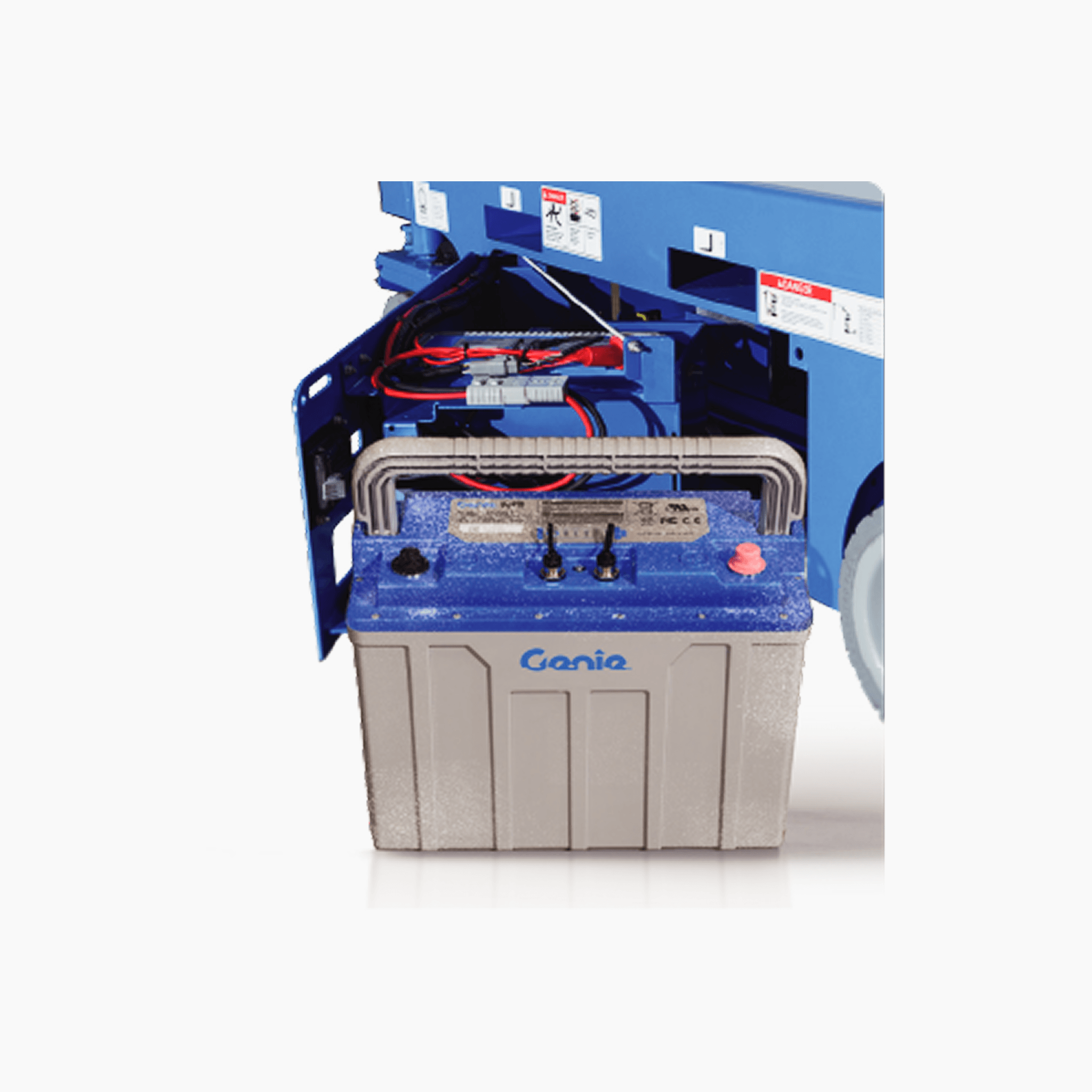
✓ Visual Inspection
The technician checks the battery case, cables, connectors, and terminals. They look for signs of damage, corrosion, leaks, or loose connections.✓ Battery Cleaning
Dirt, electrolyte residue, and corrosion are removed. A clean battery is easier to inspect and operates more efficiently.✓ Connector and Cable Inspection
Battery cables and connectors are inspected for wear, loose connections, overheating, and physical damage.✓ Voltage Testing
Voltage readings identify weak or unbalanced cells that may reduce battery performance.✓ Specific Gravity Testing (Lead-Acid Batteries)
Technicians use a hydrometer to measure electrolyte specific gravity in each cell. Uneven readings may indicate sulfation, improper charging, or a failing cell.✓ Capacity and Load Testing
Capacity testing measures how well the battery holds a charge. Load testing evaluates its ability to deliver power under normal operating conditions.✓ Water Level Inspection
For lead-acid batteries, technicians inspect electrolyte levels. They also add distilled water when necessary.✓ Charging System Evaluation
The battery charger and charging procedures are reviewed. This aims to confirm that the battery is receiving the correct charge and equalization cycles.✓ Maintenance Report
Many service providers document battery condition, test results, completed maintenance, and recommended repairs. These records allow warehouse managers to monitor battery health and schedule future service.Forklift Battery Service vs Battery Replacement
The table below outlines common battery conditions and the ideal solutions:
Battery Condition | Professional Service | Battery Replacement |
Sulfation | Often | Sometimes |
Corroded terminals or connectors | ✓ | ✗ |
Low electrolyte level (lead-acid) | ✓ | ✗ |
Loose or damaged cables | ✓ | ✗ |
Charging system issues | ✓ | ✗ |
Cell imbalance | Often | Sometimes |
One failed battery cell | Sometimes | Often |
Multiple failed cells | ✗ | ✓ |
Cracked or leaking battery case | ✗ | ✓ |
Battery has reached the end of its service life | ✗ | ✓ |
When Service Makes Sense
When problems are caught early, professional service is typically the most cost-effective option. Cleaning corrosion, replacing connectors, correcting electrolyte levels, or resolving charging issues often restore battery performance without replacing it.When Replacement Is the Better Choice
Replacement is often the better option when a battery has multiple failed cells or significant structural damage. It may also be necessary when runtime no longer supports normal operations. Continuing to repair an aging battery can be expensive. In such cases, replacement provides better long-term value.Expert Tip: Test First!
Battery performance doesn’t always reflect its true condition. A battery that appears to be failing may simply have a charging issue or require corrective maintenance. Professional diagnostics provide the information needed to determine whether service or replacement is the best approach.How Often Should Forklift Batteries Be Serviced?
There is no universal maintenance schedule for forklift batteries. Service intervals depend on:
- • Battery type
- • Operating hours
- • Environmental conditions
- • Manufacturer recommendations
As a general rule, operations that place greater demands on their equipment benefit from frequent inspections and preventive maintenance.
Single-Shift Operations
Facilities that operate one shift per day place less stress on their batteries. Routine inspections and scheduled preventive maintenance are often enough to keep batteries performing reliably.Multi-Shift Fleets
Multi-shift operations cycle batteries more frequently. They also place greater demands on charging systems. Regular inspections can identify declining performance before it affects daily production.Heavy-Duty Applications
Manufacturing plants, distribution centers, and other high-throughput facilities rely on forklifts throughout their operations. Regular battery testing and preventive maintenance helps them avoid schedule disruptions.Cold Storage Facilities
Cold temperatures can reduce battery efficiency and available runtime. Batteries used in refrigerated or freezer environments may require closer monitoring.Equipment Rental Fleets
Rental equipment is often used by multiple operators under varying conditions. Routine inspections help verify battery condition between rentals. They also prepare the equipment for the next customer.Follow the Manufacturer's Recommendations
Battery manufacturers provide maintenance guidelines. Instructions are specifically based on battery chemistry, operating conditions, and expected usage. Following the recommendations maximizes battery life. It also supports warranty coverage.Preventive Maintenance Best Practices
Most forklift battery problems develop gradually rather than suddenly. Preventive maintenance requires relatively little time compared with the cost of battery failures. Consistent inspections and proper battery care improve fleet reliability.
Daily Battery Care
□ Inspect the battery for visible damage, leaks, or corrosion.□ Check battery charge before operating the forklift.
□ Report warning lights, unusual odors, or performance issues immediately.
□ Keep the battery and charging area clean.
Proper Charging Habits
□ Charge batteries according to the manufacturer’s recommendations.□ Avoid interrupting charging cycles unless necessary.
□ Use only approved chargers designed for the battery.
□ Allow adequate ventilation in charging areas.
Maintain Correct Water Levels (Lead-Acid Batteries)
While lithium-ion batteries do not require them, lead-acid batteries need routine watering to maintain proper electrolyte levels.□ Use only distilled water.
□ Follow the manufacturer’s watering procedures.
□ Avoid both underwatering and overwatering.
Schedule Preventive Maintenance
Routine inspections identify developing problems before they affect operations. Professional battery service may include:□ Capacity testing
□ Voltage testing
□ Battery cleaning
□ Connector inspection
□ Charging system evaluation
Keep Accurate Maintenance Records
Maintenance records make it easier to:□ Track battery performance
□ Identify recurring issues
□ Schedule preventive service
□ Support warranty claims
□ Plan battery replacement
Train Operators
Operators are often the first to notice changes in battery performance. Encourage them to report:□ Reduced runtime
□ Slow charging
□ Overheating
□ Other unusual behavior

Frequently Asked Questions
In most cases, fleets used in multi-shift or heavy-duty operations require more frequent inspections.
However, not every task should be performed in-house. Testing, diagnostics, and repairs often require specialized tools and training. Qualified technicians can identify issues that may not be visible during routine inspections.
The exact procedures vary depending on the battery type and manufacturer recommendations. Service may include testing, cleaning, maintenance, and detailed performance evaluations. Most providers also document their findings and recommend any necessary repairs or follow-up maintenance.
A professional inspection can identify the underlying cause and evaluate the battery’s current condition. Testing helps determine whether corrective maintenance is still a practical option. If replacement is necessary, it can be planned before battery performance affects daily operations.
Final Thoughts
Forklift batteries rarely fail without warning. In many cases, declining runtime, charging issues, or visible corrosion appear long before the battery reaches the point of failure. Recognizing these signs early allows warehouse managers to schedule service before small issues become costly disruptions.
Routine service is an investment in reliability, productivity, and safety. Regular inspections, proper maintenance, and professional diagnostics allow you to make the most of your battery.
Whether you manage a single forklift or an entire fleet, the right maintenance strategy starts with understanding your batteries and addressing common problems. When performance begins to decline or the cause isn’t clear, an experienced technician can determine whether service, repair, or replacement is the best long-term solution.