Forklift Services and Repairs: Maintenance, Mobile Repair, and Finding Reliable Technicians Near You
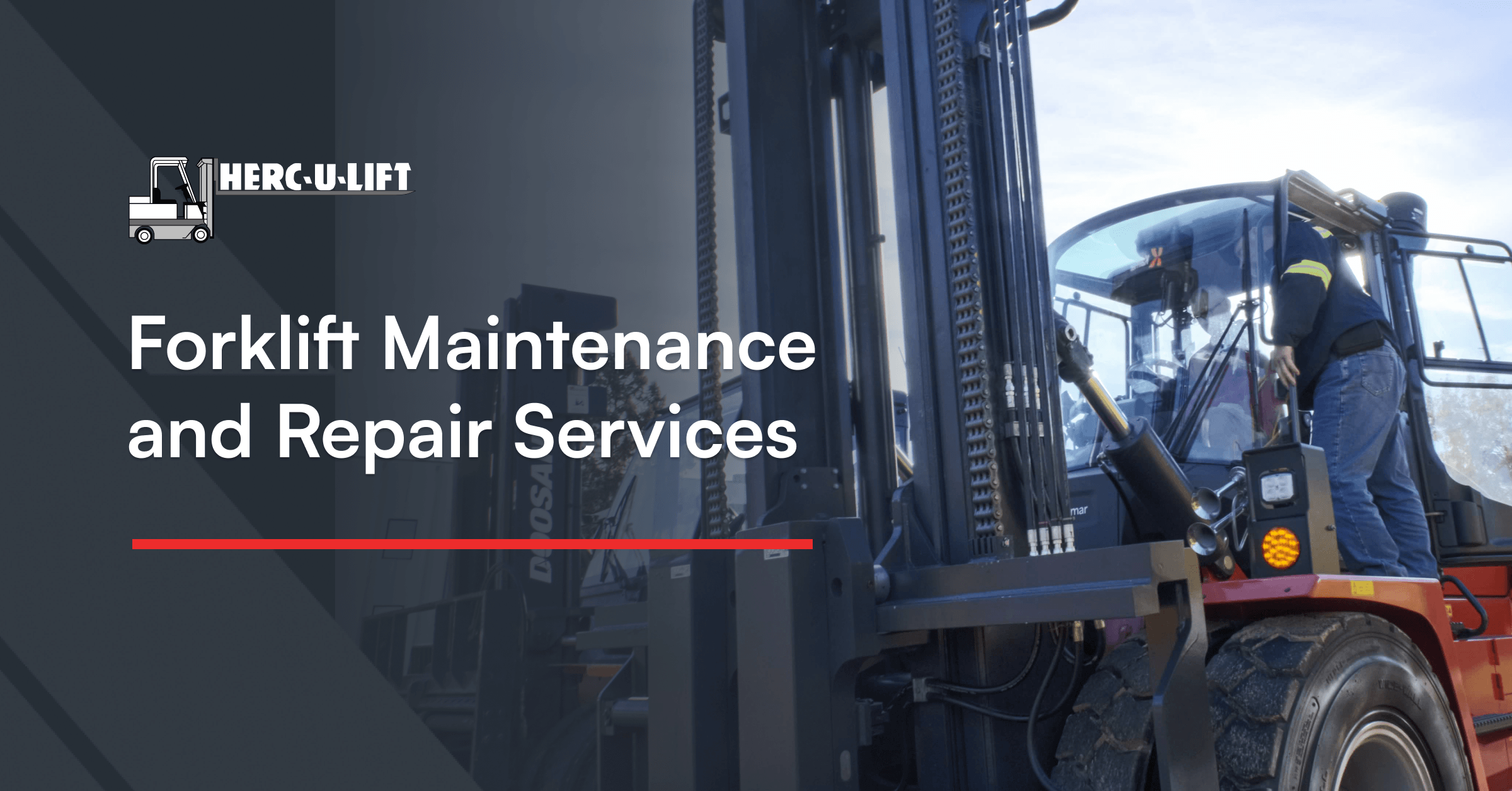
Forklifts are among the most heavily used equipment in warehouse and industrial settings.
In fact, even short periods of downtime can interrupt your regular delivery schedules. As experienced fleet operators will tell you, the impact can happen almost immediately.
That said, consistent forklift services and repairs are very important. Dependable forklift maintenance services and fast-response mobile forklift repair support are critical for your business. They help keep your fleets operational and your workers safe.
This guide discusses the most common repair issues fleets encounter. We also share warning signs that indicate immediate service is needed. Plus, we give practical tips for finding local forklift repair service technicians and parts support.
Why Forklift Maintenance and Repairs Are Critical for Operations
• Equipment Reliability Well-maintained forklifts are less likely to fail. Businesses avoid unplanned disruptions that ripple across operations.
•Workplace Safety Poorly maintained equipment cause accidents. Loads and operators may be put at risk. Regular servicing ensures braking systems, hydraulics, steering, and safety components remain within safe operating standards.
•Compliance With Safety Standards Proper servicing and documentation are both important. They ensure forklifts operate according to manufacturer guidelines. As companies observe industry protocols for safety, they won’t have to worry about compliance violations and fines.
• Reduced Long-Term Repair Costs When small issues are immediately addressed, you avoid expensive costs that come with major repairs. Case in point, a minor hydraulic leak spotted early on saves you from pump damage and possible downtime.
•Preventing Unexpected Downtime In a busy warehouse, a forklift failure can delay loading schedules. This can cost you money and
Case Study: One Forklift Failure Delayed an Entire Shipping Schedule
A regional distribution facility experienced an unexpected forklift breakdown. Because the unit handled most pallet movement near the loading docks, operators had to rent equipment to keep shipments moving on schedule.
After the incident, the company implemented a structured preventive maintenance program. They also required scheduled inspections for their forklifts. Within the following quarter, equipment-related downtime decreased. Loading operations became more consistent during high-volume periods.
Types of Forklift Services and Repairs
Routine Forklift Maintenance Services
Routine maintenance focuses on preventing breakdowns before they happen.
This includes:
• Scheduled Inspections Equipment conditions should be regularly assessed. Signs of wear should be identified early on. Expert technicians check for leaks, damaged components, and structural issues.
• Lubrication and Hydraulic Checks Fluid levels, pressure, and condition should always remain within operating standards. With this, the machine’s lifting performance and reliability is maintained.
• Battery Maintenance Electric forklift batteries should be maintained to ensure top performance. This includes cleaning terminals, inspecting cables, checking water levels, and testing charge performance.
• Tire Inspections Checking tires for uneven wear, punctures, or cracking is a must. Besides, tire damages may affect stability, traction, and safe load handling.
• Brake and Steering Checks This ensures safe maneuverability and stopping performance. Experts inspect for brake wear, steering response, and possible fluid leaks.
As for their frequency, maintenance schedules are often structured around:
• Monthly inspections This focuses on quick operational checks.
• Quarterly servicing This may include filters and fluid replacement.
• Annual maintenance This involves deeper diagnostics and major component inspections.
Forklift Repair Services
Forklift repair services address mechanical or electrical failures that affect the machine. These repairs are necessary when the equipment shows signs of malfunction or has already experienced a breakdown.
Common repairs include:
• Hydraulic system fixes
• Mast and lift chain replacements
• Brake system repairs
• Electrical troubleshooting
• Engine-related work for internal combustion forklifts.
Reduced lifting power, unusual noises, or control panel indicators are some warning signs that a repair is needed.
Mobile Forklift Repair Service
Mobile repair services bring technicians directly to your jobsite. This is especially valuable in high-demand environments where moving a forklift offsite would disrupt operations. Repairs are often completed on-site on the same day.
This service option is particularly useful for emergency breakdowns or remote job sites. To find providers in your area, you can search “mobile forklift repair near me” online. Be sure to read customer reviews as you evaluate options.
Common Forklift Problems That Require Repair
Hydraulic Leaks
Hydraulic issues stem from worn seals or damaged hoses. These leaks reduce lifting efficiency. If not addressed early, they can even lead to complete system failure.Battery and Electrical Issues
Electric forklifts commonly experience battery degradation or controller malfunctions. These issues often show up as reduced runtime or inconsistent performance.Mast and Lift Chain Wear
Worn chains or mast components create unsafe lifting conditions. They affect load stability and increase operational risk.Brake System Problems
Brake wear reduces stopping efficiency. As such, it creates serious risks in busy warehouse environments.Steering Issues
Steering problems make forklifts difficult to control. This increases the likelihood of collisions and load damage in tight spaces.How to Find Reliable Forklift Repair Services Near You
Many fleet operators eventually ask the same question: “how to find reliable forklift repair services near me?”
Consider these important factors when evaluating providers in your area:
Look for Certified Technicians
• Check experience with industrial forklift systems• Confirm knowledge of current safety standards
• Ask whether technicians receive ongoing technical training
Check Service Response Time
• Ask about emergency repair availability• Determine how quickly critical repairs are typically completed
Availability of Mobile Repair
• Check coverage area for mobile support• Determine if mobile repair can handle emergency breakdowns
Access to Genuine Forklift Parts
• Ask about parts inventory availability• Check expected turnaround time for uncommon parts
• Confirm compatibility with your forklift model
Experience With Multiple Forklift Brands
• Confirm experience with different brands and models• Check familiarity with electric, diesel, and LPG forklifts
• Assess experience working with mixed forklift fleets
Customer Reviews and Industry Reputation
• Read client reviews and testimonials• Look for feedback about response time and repair quality
• Check long-term experience supporting industrial fleets
The Importance of Genuine Forklift Parts
OEM parts are designed to match the forklift’s original specifications. This usually provides better fit, durability, and long-term reliability. While aftermarket parts may cost less upfront, quality can vary significantly.
Poor-quality or incompatible parts can cause operational problems, such as:
• Repeated component failures
• Premature wear on surrounding systems
• Inconsistent forklift performance
• Increased maintenance frequency
• Extended equipment downtime
They may also create safety concerns involving:
• Reduced lifting stability
• Poor braking
• Hydraulic inefficiency
• Unsafe load handling
• Higher risk of equipment failure during operation
The choice between OEM and aftermarket parts comes down to balancing short-term savings against long-term reliability.
For high-use fleets, operators prioritize durable components. This reduces repeat repairs and maintains consistent equipment uptime.
Of course, parts availability is also important. As you search online for “forklift parts near me,” look for trusted local providers that sell appropriate components for your machines.
Preventive Maintenance vs Emergency Repairs
Preventive maintenance focuses on scheduled servicing designed to avoid breakdowns before they occur. This approach reduces long-term repair costs and extends equipment lifespan. Moreover, it enhances overall safety performance.
On the other hand, emergency repairs occur after a failure has already impacted operations. They’re usually more expensive due to urgent labor needs and unplanned downtime.
To illustrate, replacing a worn hydraulic hose during scheduled maintenance is often less costly than repairing it during peak operational hours.
Here’s a quick summary to compare the two:
Factor | Preventive Maintenance | Emergency Repairs |
|---|---|---|
Service Timing | Scheduled | Unplanned |
Downtime Impact | Minimal | High |
Repair Cost | Lower | Higher |
Operational Disruption | Controlled | Unexpected |
Safety Risk | Reduced | Increased |
Equipment Lifespan | Extended | Potentially shortened |
Parts Planning | Predictable | Urgent sourcing often needed |
Cost Factors in Forklift Repairs and Maintenance
Type of Forklift
Electric forklifts require battery and electrical system maintenance. Diesel and LPG models need engine, fuel, and exhaust system servicing. This often carries different labor and parts costs. Equipment type also affects diagnostic complexity and long-term maintenance planning.Age of Equipment
Older forklifts generally require more frequent repairs. This is due to normal component wear and aging systems. For instance, hydraulic seals and bearings become more failure-prone over the years.Parts Availability
Replacement parts may become harder to source as your forklift ages. Imagine the implications if you’re using discontinued models. Limited availability increases repair costs. It may even extend downtime as you order and wait for hard-to-find components. In some cases, operators may have to settle for refurbished or aftermarket parts.Labor and Service Time
Complex diagnostics and structural repairs require specialized expertise. This increases labor cost, particularly when troubleshooting intermittent electrical or hydraulic issues. Repairs that involve major component disassembly also further stretch the downtime.Emergency vs Scheduled Repairs
Emergency repairs are typically more costly. Urgency and expedited parts sourcing drive prices up. Preventive maintenance addresses minor issues early on. In addition, consistent servicing reduces emergency repair frequency and extends overall equipment lifespan. This makes it one of the most effective cost-control strategies for fleet operators.Signs Your Forklift Needs Immediate Service
Most forklifts give clear signals before a major breakdown happens. However, these signs often go unnoticed during busy shifts. Recognizing early indicators of mechanical or electrical problems is critical.
• Unusual noises such as grinding or high-pitched whining often indicate internal wear in bearings or hydraulics. These sounds may become harder to ignore during lifting or acceleration. As you hear them, make sure to have your equipment checked. Doing so helps prevent unexpected equipment failure.
• Hydraulic leaks commonly result from worn damaged hoses or loose fittings. Even small leaks can affect lifting efficiency and system pressure. Leaks should always be inspected immediately due to both safety and performance concerns.
• Slow or inconsistent lifting points to hydraulic inefficiency, internal pressure loss, or worn system components. Operators may notice hesitation when raising loads. Otherwise, they may experience difficulty reaching normal lift capacity. Remember that reduced lifting power not only affects productivity. Moreover, it creates unsafe handling conditions. Immediate servicing helps prevent complete lifting failure.
• Warning lights on the dashboard reflect system-level faults detected by onboard diagnostics. These warnings may involve the engine, battery, hydraulics, or transmission systems. It may also indicate electrical problems for electric forklifts. Continuing operation without diagnostics can worsen most of these issues.
• Battery performance decline in electric forklifts means shorter runtime or inconsistent power delivery. Corroded terminals, damaged cables, or aging batteries contribute to unstable performance. Battery-related issues should be addressed early. By doing that, you avoid unexpected shutdowns during operation.
• Steering or braking issues directly affect operator control and workplace safety. Operators may notice excessive resistance or delayed stopping while maneuvering. These issues increase the likelihood of load instability, and workplace accidents. Be sure to contact your technician to avoid accident risks for your equipment and workers.
Benefits of Working With a Full-Service Forklift Provider
A full-service forklift provider offers more than just repair support. It also provides an integrated maintenance and reliability system for your fleet. Instead of reacting to individual breakdowns full-service providers focus on continuous equipment health. This can be achieved through scheduled maintenance, inspections, and proactive servicing.
Of course, one of the biggest advantages is reduced downtime. With access to both preventive maintenance programs and emergency repair services, issues can be addressed right away. You can resolve them quickly. Mobile technicians further decrease workspace downtime. Besides, they easily eliminate the need to transport your equipment to a service center.
Another key benefit is parts availability. Full-service providers typically maintain access to OEM or compatible replacement parts. This significantly reduces waiting time during repairs. If you run older fleets or operate in high-usage environments, delays can disrupt operations.
Finally, full-service support improves long-term cost control. Instead of dealing with unpredictable repair expenses, companies benefit from structured maintenance planning. This helps stabilize operational budgets and extend equipment lifespan.
Many full-service providers, including Herc-U-Lift, offer both scheduled maintenance and emergency repair support to help reduce operational downtime.
Tips for Reducing Forklift Downtime
This requires a proactive approach that combines maintenance planning and operator accountability. Of course, operations also need fast repair response.
Here are some ways to improve forklift reliability:
• Schedule preventive maintenance based on operating hours. Do not wait for visible wear.
• Track maintenance history for each forklift unit.
• Train operators on proper equipment handling and daily inspection procedures.
• Reinforce safe loading practices. Also, observe weight capacity limits.
• Perform daily pre-shift inspections on hydraulics, tires, brakes, steering, and warning systems.
• Address minor mechanical issues before they escalate into bigger failures.
• Keep commonly used spare parts. This includes filters, hoses, and connectors.
• Maintain battery charging and watering schedules for electric forklifts.
• Monitor forklifts for unusual noises and leaks. Also, pay attention to lifting performance.
• Partner with dependable repair technicians for quick emergency response.
• Use mobile repair support when possible. This prevents transport-related hassles.
• Establish a reporting system. That way, operators can quickly flag equipment concerns.
Consistent attention to these areas helps keep warehouse or job site operations running smoothly.
Final Thoughts: Keeping Your Forklift Fleet Reliable and Safe
In many ways, forklift reliability directly affects workplace safety and overall efficiency. As fleets age and as daily workloads increase, even small maintenance issues can delay shipments and cost you money. This is exactly why preventive maintenance should be viewed as an operational strategy. It’s not just an additional repair expense.
Consistent servicing, daily inspections, and early problem detection benefit your business. For instance, they prevent long-term repair costs. Furthermore, they also improve equipment lifespan and fleet performance.
Equally important is working with experienced repair technicians. You need providers who can respond quickly and support ongoing maintenance planning. Reliable service partners become especially valuable in high-demand warehouse and industrial environments. In these locations, downtime almost always brings immediate financial consequences.
Ultimately, the most successful forklift operations are proactive – not reactive. They know the importance of maintenance scheduling, operator awareness, parts availability, and fast repair support. As such, they are better positioned to maintain productive and safe workflows.
Consult with an experienced forklift service provider to help keep your fleet reliable, compliant, and prepared for daily operational demands.



 →
→