Electric Railcar Movers vs. Diesel: Which Offers Better ROI?
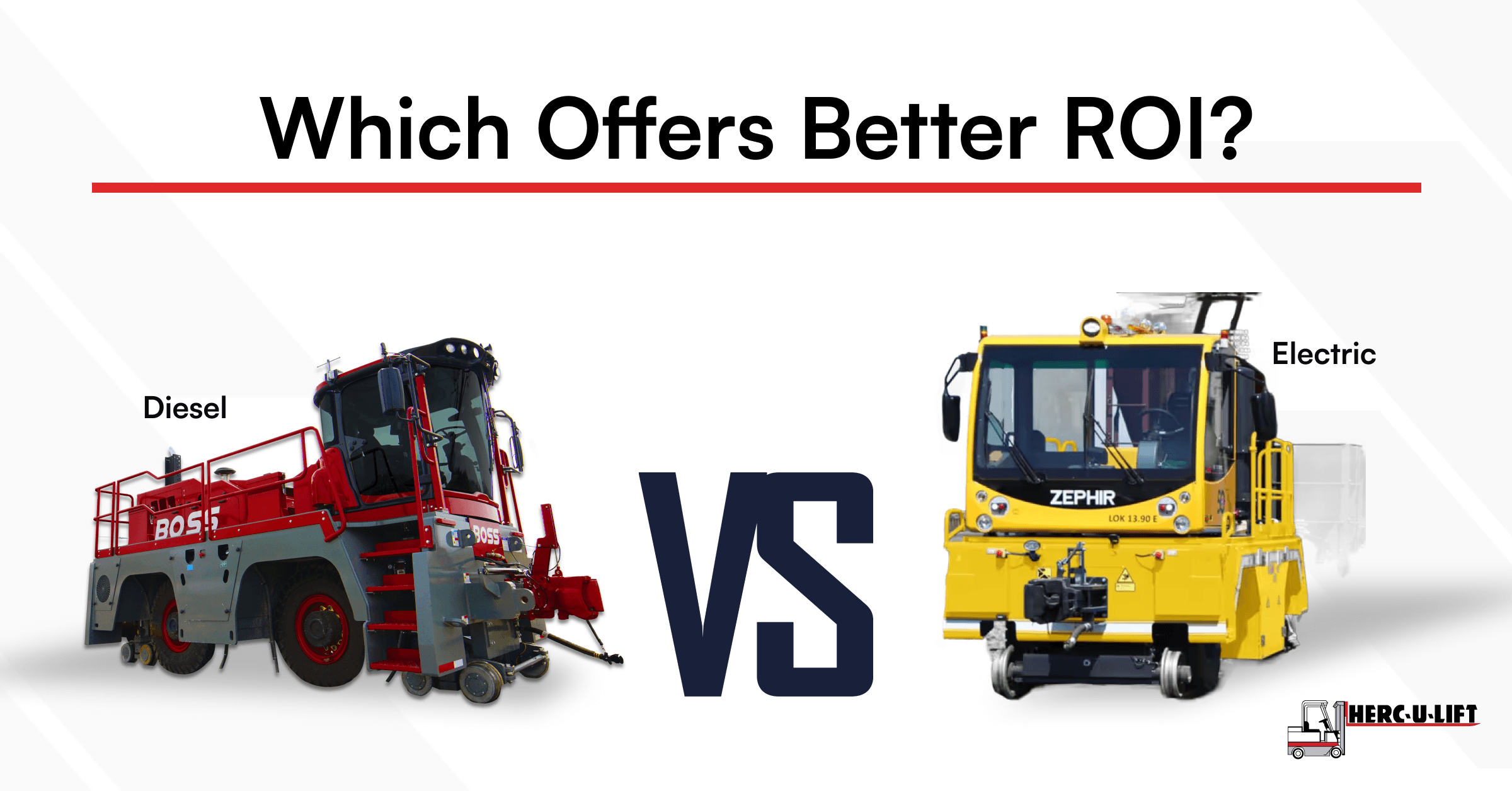
When all costs are considered, which option delivers better long-term ROI: electric or diesel railcar movers?
This is the big question most rail-served facility owners consider before investing in equipment. Besides, railcar movers do more than move steel. They directly affect timelines, labor efficiency, and operating margins.
For decades, diesel railcar movers dominated the landscape. They’re powerful, familiar, and easy to deploy. But the ground is shifting. Electric movers are attracting more users because of rising fuel costs and tightening emissions regulations.
To answer that, we’ll break this down the way an operations team should: capital costs, operating costs, lifecycle economics, and the less obvious factors that quietly impact your bottom line.
Understanding the Two Technologies
What Is a Diesel Railcar Mover?
A diesel railcar mover is powered by an internal combustion engine. It is designed to generate high torque for moving loaded railcars. These machines have been the industry standard for years, particularly in heavy-duty outdoor applications.
They’re built for raw pulling power and long operating hours. This makes them a reliable choice for facilities with demanding workloads and minimal infrastructure constraints.
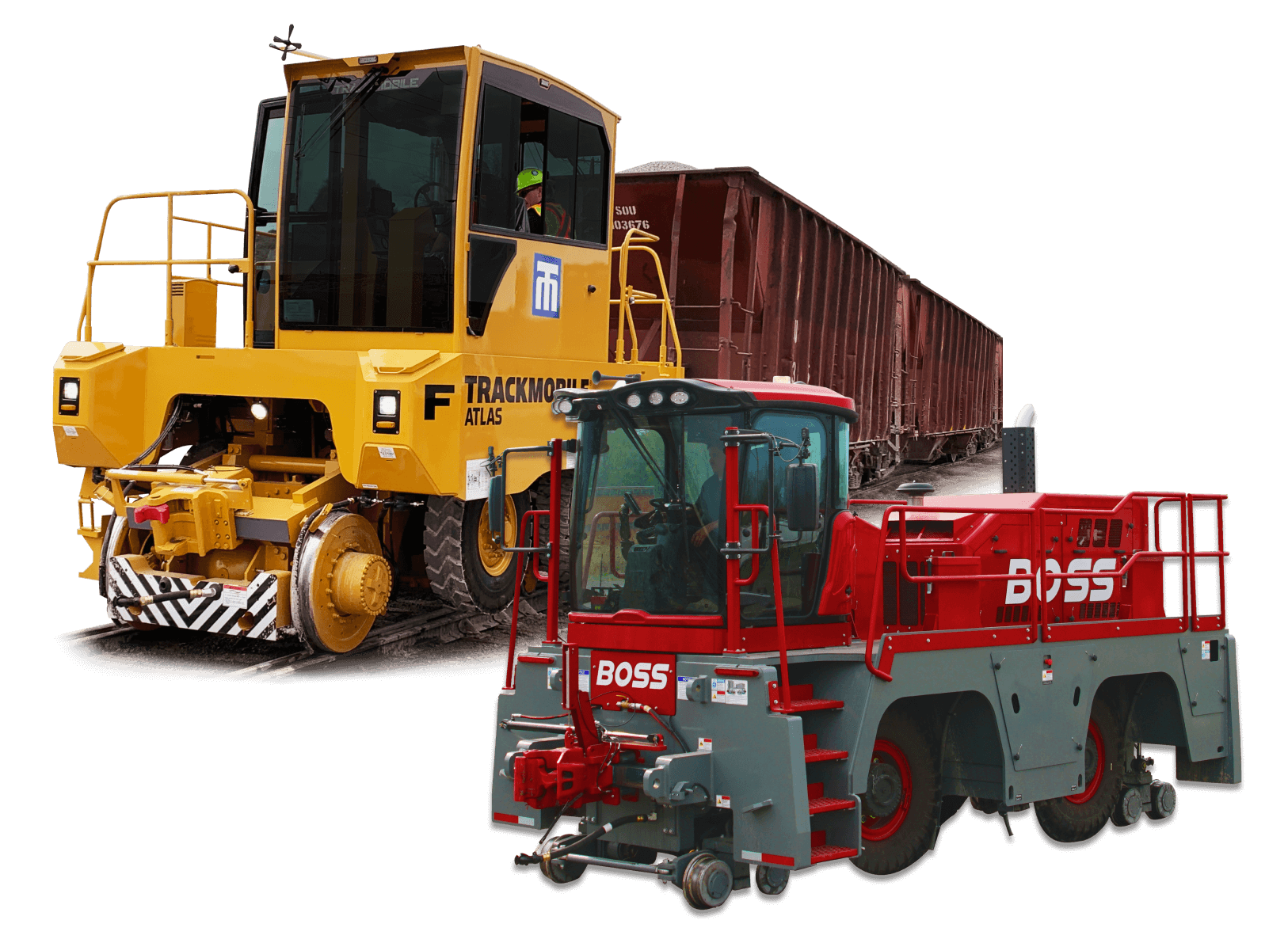
Typical characteristics include:
• Power range suitable for moving multiple loaded railcars
• Refueling via on-site diesel storage or mobile fueling
• Reliability in outdoor environments
Cost range: $300,000 to $700,000+, depending on configuration.
Lifespan: 10 to 15 years, with proper maintenance.
The trade-off? Ongoing fuel cost increases and emissions.
What Is an Electric Railcar Mover?
Electric railcar movers use battery-electric systems (or hybrid) to deliver torque without combustion. They typically use lithium-ion battery systems.
These units are engineered for efficiency and cleaner operation. They’re ideal for environments where emissions and noise matter.

Key features include:
• Zero on-site emissions
• High torque available instantly (no engine ramp-up)
• Regenerative braking (in some models)
• Quiet operation ideal for indoor or mixed-use facilities
Cost range: $400,000 to $800,000+, largely influenced by battery capacity.
Lifespan: 5 to 10 years, depending on usage.
Of course, you’ll need to have charging infrastructure. Duty cycles must also align with charging windows. Over time, the payoff shows up in lower operating costs.
Initial Capital Investment
Equipment Purchase Price
Diesel units often win the upfront cost comparison. Electric railcar movers tend to carry a 20 to 40% higher purchase price because of their battery systems. Lithium-ion batteries are a major cost driver, especially for high-capacity units.
However, focusing only on sticker price is where many calculations go sideways. The purchase price is just one piece of a much larger equation.
Installation & Infrastructure Costs
Cost Component | Electric | Diesel |
|---|---|---|
Equipment Cost | Higher upfront (battery-driven) | Lower upfront |
Energy Infrastructure | Charging stations, electrical upgrades | Fuel tanks, pumps |
Facility Modifications | Grid capacity checks, possible upgrades | Spill containment, ventilation |
Compliance Requirements | Minimal emissions compliance | Environmental and fuel storage regulations |
Electric setups may require electrical upgrades. Diesel systems need fuel storage and environmental safeguards. Both have costs. They just show up differently.
Operating Costs Over Time
This is where ROI is actually decided.
Energy Costs: Electricity vs Diesel Fuel
Diesel fuel prices fluctuate often. They’re directly impacted by global markets and supply chain dynamics. While not immune to change, electricity is generally more predictable.
Example scenario: 2,000 operating hours per year
Diesel
Average consumption:~2 to 4 gallons/hour
Estimate fuel cost:
$4/gallon
Annual fuel cost:
$16,000 to $32,000 (varies by load and idle time)
Electric
Energy consumption:Varies widely by battery size and duty cycle.
Estimated annual cost:
$5,000 to $12,000, depending on local electricity rates.
That gap compounds quickly over time.
Maintenance Costs
Electric Railcar Movers | Diesel Railcar Movers |
|---|---|
Fewer moving parts | Regular oil and filter changes |
No oil changes or exhaust systems | Engine maintenance and rebuilds |
Lower wear on components | Cooling systems and emissions components |
Battery replacement every 5 to 8 years | Higher mechanical wear overall |
Estimated annual maintenance: $3,000 to $8,000 | Estimated annual maintenance: $12,000 to $18,000+ |
Downtime & Reliability
Downtime can potentially multiply your costs. With more mechanical complexity, diesel systems require more maintenance. Meanwhile, electric systems are often more consistent in terms of delivering uptime.
The key factor here is predictability. Electric systems allow for planned battery charging and maintenance cycles. This reduces unexpected breakdowns. Even modest uptime improvements (e.g., 2 to 5%) can translate into meaningful productivity gains over a year.
Lifecycle Cost Analysis (Total Cost of Ownership)
To understand true ROI, you need to zoom out over 5 to 10 years. Factor in acquisition, energy/fuel, maintenance, and major refreshes.
Here’s a simplified scenario:
Assumptions:
• One mid-range mover unit
• Moderate-to-high utilization
• 2,000 operating hours/year
Diesel (10-year estimate) | Electric (10-year estimate) |
|---|---|
Purchase: $350,000 | Purchase: $500,000 |
Fuel: $160,000 to $240,000 | Energy: $40,000 to $100,000 |
Maintenance: $120,000 to $180,000 | Maintenance: $45,000 to $70,000 |
– | Battery replacement: $80,000 to $100,000 |
Total: $630,000 to $770,000 | Total: $675,000 to $840,000 |
At first glance, the totals are closer than expected. Electric movers tend to pull ahead in high-utilization scenarios, thanks to lower operating costs and reduced downtime. However, diesel units retain an edge in lower-duty applications. They come with lower upfront costs and no reliance on charging infrastructure.
To calculate your potential ROI, here’s a quick formula:

Regulatory & Environmental Cost Factors
Emissions Regulations
Diesel railcar movers are under heavy pressure from tightening rules like EPA Tier 4 and equivalent global standards. These force expensive exhaust aftertreatment.
• Compliance hits hard
◦ Upfront after treatment costs: Tier 4 after treatment systems can add tens of thousands of dollars in upfront and ongoing costs. This includes DEF usage, maintenance, and regeneration downtime.
◦ Annual operating costs: $5,000 to $12,000 for DEF fluid (~$3 to $5/gal, 1 to 2% fuel use), DPF cleaning, and regen downtime (2 to 5% more shop time).
• Carbon pricing looms
In regions with carbon pricing, emissions can result in several thousand dollars annually in added costs, depending on usage and local regulations.
• Indoor bans bite
Confined yards (ports, warehouses) enforce zero-idle policies under OSHA/local air rules. This often requires $10,000 to $50,000+ in ventilation, scrubbers, or electrification mandates.
Electrics sidestep this entirely by producing zero tailpipe emissions. This slashes paperwork and audit risks while keeping you operational in tight spaces.
ESG & Sustainability Reporting
In boardrooms and investor calls, electric movers deliver tangible ESG wins without the fluff.
Direct Scope 1 cuts
Electric railcar movers eliminate on-site (Scope 1) emissions, shifting the emissions profile to grid electricity, which can often be offset or reduced through cleaner energy sources.
Hits sustainability KPIs
Meets net-zero timelines and reporting under GRI/TCFD, especially in ports chasing 2030 mandates.
Boosts metrics
Lowers carbon per ton-mile, improving ratings that unlock better loan terms.
Practical upsides
Incentives like production tax credits (5 to 12% of cost) or grants covering 25 to 70% upfront.
Risk hedge
Steers clear of stranded asset penalties as regs evolve.
It’s not instant cash but think 3 to 5 year payoff via financing perks and stakeholder buy-in.
Productivity & Performance Comparison
Torque & Power Output
For pulling 80 to 400-ton consists at yard speeds, both technologies deliver. Diesel railcar movers build torque through engine speed and turbocharging. In comparison, electrics deliver maximum torque from a standstill.
This immediate torque response allows for smoother starts and more precise control. This is especially valuable during coupling operations. In practice, electric systems can reduce wheel slip and minimize shock loading. This improves consistency in low-speed yard movements.
Indoor vs Outdoor Performance
Electrics have a clear advantage indoors. Zero exhaust means no air quality headaches. This potentially reduces or eliminates the need for costly ventilation systems. Noise at 65 to 75 dB lets crews communicate more easily.
Diesel units still hold an advantage outdoors, particularly in harsh environments. They are less dependent on infrastructure. Plus, they perform reliably in extreme weather conditions.
Shift Coverage
Diesel units can be refueled within minutes. As such, they’re easier to deploy across continuous operations.
Electric models require more planning. Charging times vary based on battery size and charger capacity. Partial recharges often take 1 to 3 hours. However, many facilities offset this through opportunity charging during scheduled downtime.
Risk Analysis
Fuel Price Volatility
Diesel swings 20 to 50% yearly (e.g., $3 to $5/gal spikes from geopolitics or shortages). This can increase annual operating costs by $15,000 to $30,000 on a 2,000-hour mover. Electric systems benefit from more stable and predictable electricity pricing. It simplifies long-term budgeting and reduces exposure to market swings.
Battery Replacement Risk
Electrics need packs swapped every 5 to 8 years (after 3,000 to 5,000 charge cycles). Costs range from $80,000 to $150,000 depending on battery size and capacity. Factor 10 to 20% of purchase price into TCO models. Real mitigation comes from modular designs allowing partial refreshes and warranties covering degradation.
Technological Obsolescence
Battery and charging technologies continue to evolve. Energy density is improving at a steady, though incremental, rate of roughly 3 to 8% per year.
While this creates long-term upside, early adopters may face some risk of outdated components. Choosing proven battery chemistries such as lithium iron phosphate (LFP) and platforms with upgradeable designs can help protect against obsolescence.
Resale Value Uncertainty
Diesel railcar movers benefit from a well-established secondary market. Resale values typically range from 50 to 70% after five years.
Electric units currently see more variability. They often fall in the 40 to 60% range. However, demand is increasing in regions with stricter emissions requirements. This may strengthen resale values over time.
When Diesel May Deliver Better ROI
Diesel edges out in niches where simplicity trumps efficiency, CapEx often 15 to 35% lower ($300k to $700k vs. $400k to $800k for electrics).
• Remote locations
Facilities without reliable electrical infrastructure benefit from diesel’s independence. Fuel can be stored and deployed without requiring charging systems.
• Heavy-duty or specialized applications
Both technologies can handle high-tonnage consists. However, certain extreme-duty applications still favor diesel configurations designed for sustained high-load performance.
• Low utilization environments
Operations running fewer than 1,000 to 1,500 hours per year may not generate enough fuel savings to offset the higher upfront cost of electric units.
• Short-term investment horizons
For operations planning around a 3 to 5 year window, diesel’s lower CapEx and minimal infrastructure requirements can result in faster cost recovery.
In these cases, diesel’s plug-and-play nature and lower initial investment can provide a more favorable short-term return, even if long-term operating costs are higher.
When Electric Delivers Superior ROI
Electric railcar movers show clear financial advantages when utilization increases and operational efficiency becomes a priority.
While upfront costs are higher, electric units typically deliver significantly lower operating costs. This is driven by reduced energy expenses and lower maintenance requirements. Over time, these savings compound, often narrowing or surpassing the initial price gap.
Electric systems tend to deliver stronger ROI in the following conditions:
• High utilization operations
Facilities running 2,000+ hours per year can see meaningful energy savings. The costs may range in the tens of thousands annually, depending on local energy costs.
• Indoor or enclosed environments
Zero emissions eliminate the need for ventilation systems and simplify compliance with workplace safety standards.
• Regions with high or volatile diesel prices
As fuel costs rise, the cost advantage of electricity becomes more pronounced and predictable.
• ESG and emissions-driven operations
Companies with sustainability mandates or regulatory pressures can benefit from reduced compliance costs. In addition, they get potential incentives and improved reporting metrics.
• Long-term investment horizons
Over 5 to 10 years, lower operating and maintenance costs often result in a lower total cost of ownership (TCO) compared to diesel alternatives.
In well-optimized operations, electric railcar movers can achieve payback within several years, particularly when utilization is high and energy pricing is favorable.
Decision Framework for Buyers
Spec sheets won’t give you the full picture. ROI depends on how the machine fits your operation.
Use the following factors to evaluate your options:
- Annual operating hours
Lower utilization (<1,500 hours) often favors diesel. Higher utilization (>2,000 hours) strengthens the case for electric due to cumulative savings. - Operating environment
Indoor or mixed-use environments benefit from electric’s zero emissions and lower noise. Outdoor operations may favor diesel’s flexibility. - Local energy costs
Compare diesel fuel pricing vs electricity rates in your region. Even small differences can impact long-term operating costs. - Regulatory and compliance pressure
Emissions restrictions and workplace safety requirements can add costs to diesel operations. - Infrastructure readiness
Evaluate whether your facility can support charging systems. Initial infrastructure costs can influence early ROI. - Investment horizon
Short-term planning may favor diesel’s lower upfront cost. Longer-term strategies typically benefit from electric’s lower operating expenses.

Ultimately, the best choice depends on your operations. Consider hours, rates, and usage patterns. Don’t rely on industry averages alone.
Conclusion: ROI Is Context-Dependent
To wrap it up, there’s no universal winner, and that’s exactly the point.
Electric and diesel railcar movers each have clear advantages depending on how and where they’re used.
Electric units tend to outperform over the long term in high-utilization, energy-sensitive, and regulated environments, where lower operating costs and simplified compliance can significantly reduce total cost of ownership.
Diesel, on the other hand, remains a practical and cost-effective solution for low-duty cycles, remote operations, and scenarios where infrastructure investment isn’t feasible.
Key Takeaway: Ditch upfront price as your north star. Smart operators evaluate the full lifecycle (capital costs, operating expenses, maintenance, and risk) before making a decision. Because in the end, ROI isn’t about the machine you buy. It’s about the performance you sustain over time.



 →
→