What Are MEWPs? A Complete Guide to Mobile Elevating Work Platforms
Every elevated job presents a different challenge.
Choosing the right equipment makes the difference between a safe, productive day and a costly mistake.
Whether you’re replacing warehouse lighting or completing a commercial construction project, safely reaching an elevated work area usually requires more than just a ladder.
Enter: Mobile Elevating Work Platforms (MEWPs).
MEWPs provide stable, elevated work platforms for a wide range of jobs. For example, a scissor lift is ideal for vertical work inside a warehouse. A boom lift may be the better choice for reaching over rooftops or other obstacles.
Picking the wrong machine not only reduces productivity. Doing so may also create unnecessary safety risks and increase project costs.
For this reason, understanding the differences between MEWP types is important. With it, contractors, facility managers, and equipment renters can select the right equipment before work begins.
This guide explains what MEWPs are and how they work. We also share about the different types available and where they’re commonly used. Plus, we discuss the key factors professionals consider when choosing the right machine for their operations.
What Is a Mobile Elevating Work Platform (MEWP)?
A Mobile Elevating Work Platform (MEWP) is a machine designed to safely raise workers, tools, and materials to hard-to-reach work areas. Unlike ladders or scaffolding, MEWPs provide a stable platform that can be moved and repositioned as work progresses.
The name itself describes exactly what the equipment does:
• Mobile means the machine can be driven or transported to different work locations.
• Elevating refers to the lifting mechanism that raises the platform to the required working height.
• Work Platform is the guarded platform where operators perform their tasks safely.
Together, these features allow workers to complete elevated tasks more efficiently. The risks associated with traditional access methods are also reduced.
Although many people still use terms such as aerial lifts, aerial work platforms, or simply boom lifts and scissor lifts, MEWP has become the preferred industry term today. This shift is driven largely by modern ANSI A92 design and safety standards. The updated standards use the term to encompass multiple distinct machine categories, distinct testing metrics, and specialized training frameworks based on the specific environment and access challenge.
Today, MEWPs include equipment such as:
• Scissor lifts
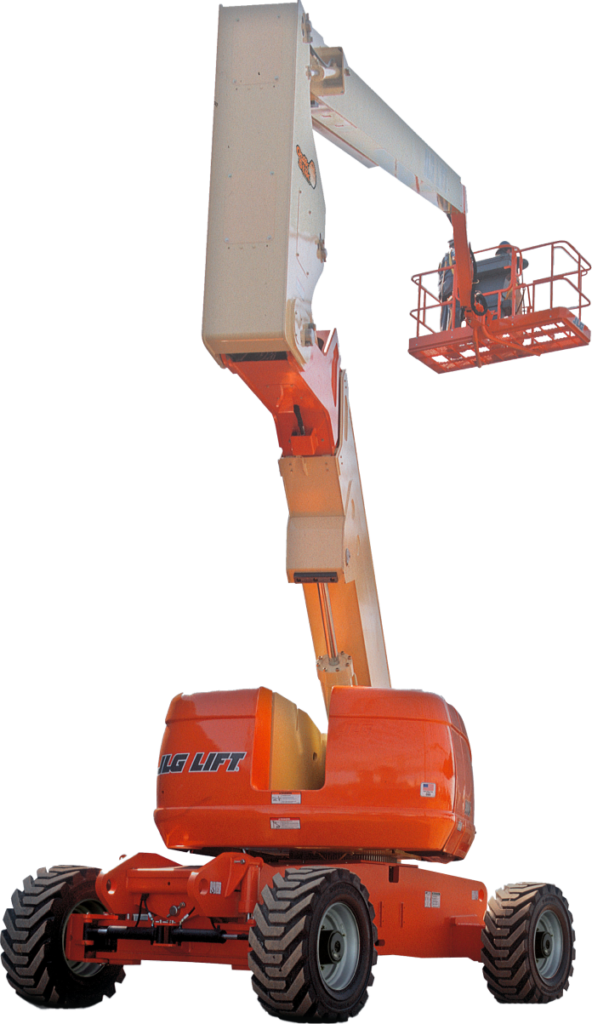
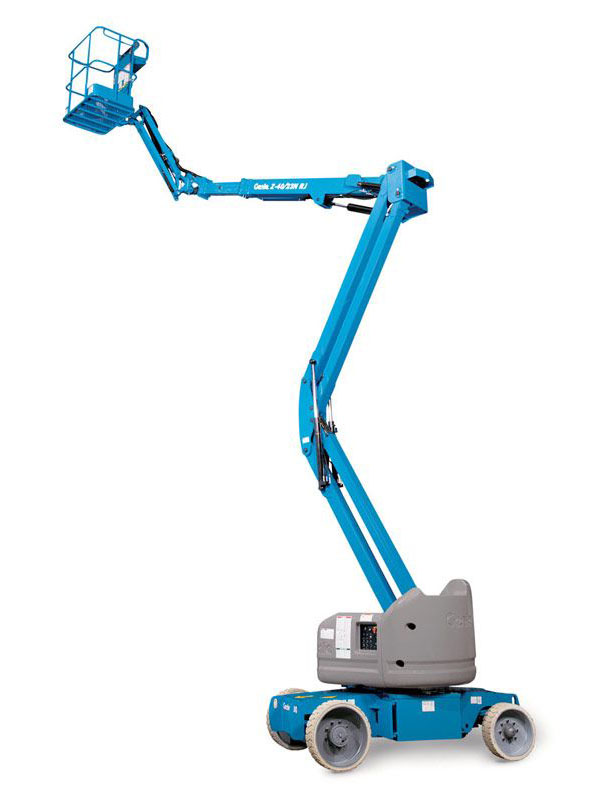
• Articulating boom lifts
• Telescopic boom lifts
• Vertical mast lifts
• Trailer-mounted lifts
• Spider lifts
Why MEWPs Are Used
Every job that involves working at height presents a balance between safety, productivity, and accessibility. MEWPs addresses all three.
Instead of relying on ladders or constructing temporary scaffolding, operators can position a machine where it’s needed. This allows projects to move forward efficiently.
The Main Types of MEWPs
Understanding the strengths and limitations of MEWPs is the key to using them effectively. The better the equipment matches the job, the safer and more efficient the work becomes.
Scissor Lifts
Scissor lifts raise the work platform straight up and down using a crisscrossing support mechanism. They are designed primarily for vertical access. Most models feature spacious platforms that allow multiple workers, tools, and materials to be lifted together.
Feature | Details |
Best Applications | • Warehouse maintenance • Lighting installation • HVAC work • Electrical projects • Commercial construction • Facility maintenance |
Advantages | • Large work platform • High platform capacities • Excellent stability • Simple operation • Ideal for repetitive overhead work |
Limitations | • No horizontal outreach • Cannot reach over obstacles • Requires repositioning when work areas change |
Indoor / Outdoor | • Electric scissor lifts are used indoors. • Rough-terrain diesel models are for outdoor environments. |
Typical Working Heights | Ranges from 20 to 50 feet. |
Articulating Boom Lifts
Articulating boom lifts use multiple hinged boom sections that allow the platform to move both vertically and horizontally. This “up-and-over” capability makes them ideal for work areas that cannot be reached from directly below.
Feature | Details |
Best Applications | • Industrial maintenance • Tree care • Utility work • Steel fabrication • Building maintenance • Stadiums and arenas |
Advantages | • Excellent obstacle clearance • Flexible positioning • Multiple working angles • Strong horizontal outreach • Suitable for complex access situations |
Limitations | • Smaller platforms than many scissor lifts • Higher equipment cost • Greater operator skill required |
Indoor / Outdoor | • Compact electric models are ideal for indoor work. • Larger diesel-powered units are for outdoor applications. |
Typical Working Heights | Approximately 30 to 150+ feet. |
Telescopic Boom Lifts
Telescopic boom lifts, often called straight boom lifts, use an extending boom that provides maximum horizontal outreach and high working elevations. Unlike articulating models, the boom extends in a relatively straight line.
Feature | Details |
Best Applications | • Commercial construction • Steel erection • Bridge work • Industrial facilities • Utility projects • Large infrastructure projects |
Advantages | • Exceptional horizontal reach • High working elevations • Fast positioning • Excellent for open job sites • Strong lifting capabilities |
Limitations | • Limited ability to work around obstacles • Requires more operating space • Larger overall machine size |
Indoor / Outdoor | • Most telescopic boom lifts are for outdoor applications. • Compact electric models are for certain indoor environments. |
Typical Working Heights | Ranges from 40 to 180+ feet. |
Vertical Mast Lifts
Vertical mast lifts are compact machines designed for facilities with limited space. They raise the operator vertically while maintaining a very small footprint.
Their narrow design allows operators to work efficiently in locations where larger aerial lifts cannot easily maneuver.
Feature | Details |
Best Applications | • Retail stores • Schools • Hospitals • Office buildings • Warehouses • Property maintenance |
Advantages | • Extremely compact • Easy to maneuver • Lightweight • Excellent indoor mobility • Minimal floor space required |
Limitations | • Lower platform capacities • Limited working heights • No horizontal outreach |
Indoor / Outdoor | • Vertical mast lifts are mostly for indoor use. |
Typical Working Heights | • Most models provide working heights between 15 to 40 feet. |
Trailer-Mounted MEWPs
Trailer-mounted MEWPs combine aerial access with convenient transportation. They’re often towed behind a standard vehicle. This makes them a practical solution for contractors who work at multiple locations. They’re ideal for occasional projects rather than continuous daily use.
Feature | Details |
Best Applications | • Property maintenance • Building inspections • Sign installation • Residential contractors • Municipal maintenance |
Advantages | • Easy to transport • Lower ownership costs • Flexible deployment • Suitable for occasional use |
Limitations | • Requires towing vehicle • Longer setup time than self-propelled lifts • Less productive for continuous work |
Indoor / Outdoor | • Most trailer-mounted lifts are for outdoor applications. • Some compact models are used indoors. |
Typical Working Heights | Ranges from 35 to 80 feet. |
Spider Lifts
Spider lifts are designed for locations where access is limited or ground conditions require lighter equipment. Their retractable outriggers resemble spider legs. This gives the machine excellent stability while distributing weight over a larger area.
Many models can pass through narrow doorways or gates before extending their outriggers at the work location. This makes them popular for projects where traditional boom lifts cannot easily reach.
Feature | Details |
Best Applications | • Arboriculture • Historic buildings • Museums • Churches • Interior atriums • Sensitive flooring • Landscaped properties |
Advantages | • Extremely narrow access • Low ground pressure • Excellent stability • High working heights • Suitable for delicate surfaces |
Limitations | • Slower setup • Lower travel speeds • Higher purchase price • Requires proper outrigger placement |
Indoor / Outdoor | • Spider lifts can operate both indoors and outdoors. |
Typical Working Heights | Ranges from 40 to 130+ feet. |
MEWPs vs Other Access Equipment
The right equipment depends on factors such as working height, task duration, mobility, available space, and the amount of equipment or materials workers need to bring with them.
Ladders, scaffolding, and MEWPs all have their place. Understanding the strengths and limitations of each option helps businesses select the safest and most efficient solution for the job.
Equipment | Best For | Mobility | Working Height | Setup Time |
Ladder | Short-duration tasks at lower heights | Excellent | Low | Very Fast |
Scaffold | Extended work in one location | Limited | Moderate to High | Slow |
Scissor Lift | Vertical access and overhead work | Excellent | Moderate | Fast |
Boom Lift | Elevated work requiring horizontal and vertical reach | Excellent | High | Fast |
How to Choose the Right MEWP
A machine that performs well on one project may be unsuitable for another. Evaluating a few key factors before renting or purchasing equipment supports greater efficiency:
Industries That Commonly Use MEWPs
MEWPs support a wide range of industries. However, the way they’re used varies from one work environment to another. The right platform heavily depends on the tasks being performed.
Here are some examples:
MEWP Safety Best Practices
Working at height requires careful planning. While MEWPs provide a better alternative to ladders and scaffolding, safe performance depends on trained operators, proper equipment use, and jobsite conditions.
Operators should always follow:
• OSHA regulations
• ANSI standards
• Local requirements
• Manufacturer’s operating instructions
In addition, it’s important to observe the following factors:
Operator Training
Proper training is the foundation of safe MEWP operation. Operators should understand machine controls, operating limits, emergency procedures, and safe work practices before using the equipment.Pre-Use Inspections
Inspect the MEWP before each shift or use. Daily inspections help identify equipment issues early.Fall Protection
Fall protection requirements vary by MEWP type and manufacturer guidance. Operators should remain inside the platform and never climb guardrails or use ladders or boxes to gain additional height.Ground Stability
Always verify that the ground can safely support the machine and its load. Soft soil, slopes, loose gravel, and uneven surfaces can affect stability.Load Limits
Never exceed the platform’s rated capacity, including workers, tools, and materials. Selecting equipment with adequate capacity helps maintain safe operation.Weather Conditions
Wind, rain, lightning, snow, and icy surfaces can increase operating risks. Stop work whenever conditions exceed the manufacturer’s recommended operating limits.Safe Travel Procedures
Drive the MEWP carefully when moving between work areas. Maintain clear visibility, travel at safe speeds, and stay alert to pedestrians, obstacles, and overhead hazards.Working Near Power Lines
Treat every overhead power line as energized unless confirmed otherwise. Always maintain the required minimum approach distances and follow applicable regulations.Emergency Lowering Procedures
Operators and ground personnel should know how to lower the platform safely during an emergency. Reviewing procedures before work begins helps crews respond more effectively.Spotters and Communication
Use a trained spotter whenever visibility is limited or equipment is operating in congested areas. Clear communication between operators and ground personnel helps reduce the risk of incidents.Common Mistakes When Using MEWPs
Many workplace incidents are not caused by equipment failure. Instead, they result from planning errors, improper operation, or preventable safety oversights.
The most common issues include:
Choosing the Wrong MEWP
Selecting equipment based only on working height can create unnecessary delays and safety concerns. Consider both the work area and the machine’s capabilities before making a selection.Overlooking Horizontal Reach
Vertical height is only part of the equation. Jobs that require access over equipment, shelving, or other obstacles often need a boom lift rather than a scissor lift.Exceeding Platform Capacity
Platform capacity includes workers, tools, and materials. Exceeding the rated limit can affect stability and may restrict machine operation.Operating on Unstable Ground
Soft soil, slopes, and uneven surfaces can reduce stability. Always verify that the ground can safely support the machine before elevating the platform.Skipping Pre-Use Inspections
Daily inspections help identify worn or damaged components before work begins. Spending a few minutes checking the equipment can prevent safety issues.Working Near Power Lines
Electrical hazards require extra caution. Maintain the required clearance distances. Treat all overhead power lines as energized unless confirmed otherwise.Improper Battery Charging and Fuel Management
Electric and engine-powered MEWPs each require proper charging, fueling, and routine maintenance. Following the manufacturer’s recommendations is important.Poor Route Planning
Plan not only where the work will take place, but also how the MEWP will move around the site. Doorways, ramps, overhead obstructions, floor capacities, and pedestrian traffic should all be considered before work begins.Should You Rent or Buy a MEWP?
For some businesses, renting provides the flexibility to access different types of equipment as project requirements change. For others, owning a MEWP delivers better long-term value by ensuring equipment is always available when needed.
The following comparison highlights the key differences:
Consideration | Rent | Buy |
Best For | Short-term or occasional projects | Frequent or long-term use |
Upfront Investment | Lower | Higher |
Maintenance Responsibility | Lower | Higher |
Equipment Flexibility | Higher | Lower |
Equipment Availability | Dependent on rental inventory | Always available |
Key Factors to Consider
Utilization: Renting is often more economical for occasional use. Frequent use may justify ownership.
Maintenance: Ownership requires ongoing inspections, servicing, and repairs. Renting shifts much of that responsibility to the equipment provider.
Total Cost of Ownership: Look beyond the purchase price. Consider maintenance, insurance, storage, transportation, and depreciation.
Business Needs: Choose the option that supports your project schedule, budget, maintenance capabilities, and long-term growth.
The best decision isn’t always the lowest upfront cost. It’s the one that delivers the greatest long-term value for your operation.
Frequently Asked Questions
Final Thoughts
MEWPs allow workers to complete elevated tasks more safely and with greater confidence. Selecting the right MEWP is a major decision. Operations need to consider working height requirements, load capacity, and jobsite conditions.
Ultimately, a MEWP is only as effective as the planning behind its use. Evaluating the application, selecting the best machine, and following safe practices improve productivity while reducing risk. When you’re unsure which equipment best matches your operation, consult an experienced equipment specialist. They can help you make a well-informed decision that supports efficiency and long-term success.