Why Operator Training Is Critical for Workplace Safety
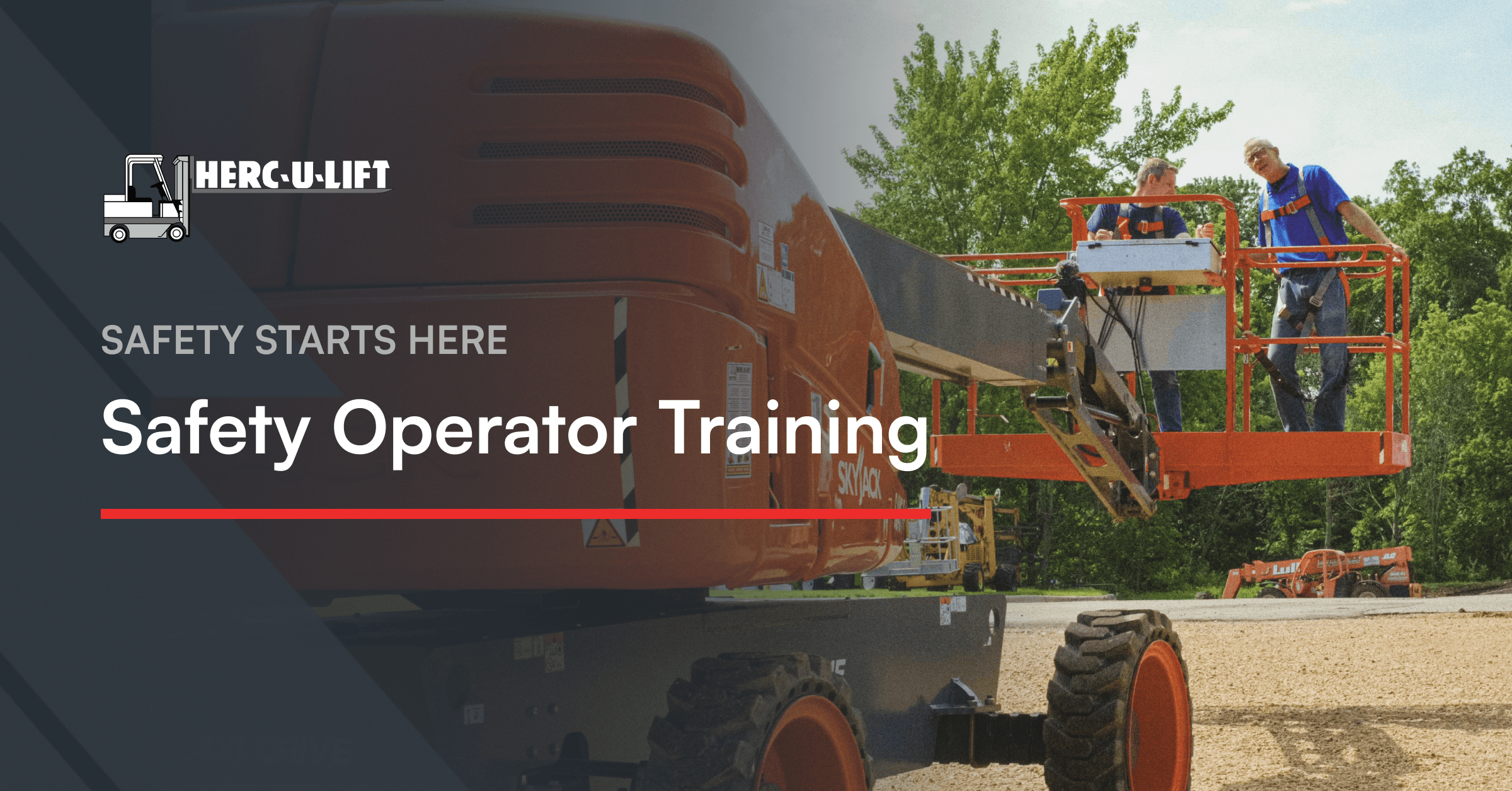
Forklifts and aerial lifts play a critical role across many industries. They lift heavy loads and move materials efficiently.
However, these machines also carry serious risks. A single mistake may cause injuries and damaged equipment. It may even lead to halted operations or costly legal consequences.
That said, operator training is extremely important. It directly impacts how safely material handling machines are used and how well a company manages risk.
In fact, OSHA reports around 34,900 forklift and industrial truck injuries occur each year. Roughly 25% of these incidents are tip-overs. Meanwhile, an estimated 79% are preventable through proper training.
This guide breaks down why operator training matters. We also share what certification involves, particularly for forklift operators.
The Risks of Operating Machinery Without Proper Training
Heavy machines are often used in dynamic environments. Conditions change quickly.
Some common risks include:
Equipment rollovers
Rollovers lead to severe injuries or fatalities. They occur when operators misjudge speed or load balance. Uneven ground and sudden turns quickly destabilize a machine. Without proper training, operators may not recognize or correct instability.Load instability
With incorrect lifting techniques, unstable loads can cause the equipment to become unbalanced. Competent operators understand load limits and proper positioning.Collision accidents
Collisions happen when machines operate in close proximity. Lack of space and coordination boost the risk even more.Pedestrian injuries
These incidents commonly happen in areas with high foot traffic. Training emphasizes visibility and communication techniques. Operators learn to maintain safe distances as they work on-site.Equipment damage
Equipment damage means costly fixes and lost uptime. Trained operators use machines responsibly. Stress on components is reduced, which extends the machine’s lifespan.What Is Operator Training?
This training prepares operators to handle equipment confidently. It emphasizes control and proper judgment.
Training typically covers how to:
• Operate equipment under different conditions
• Understand machine capabilities and limitations
• Observe safety procedures
• Conduct equipment inspections
• Spot workplace risks early
• Handle emergency situations properly
Most programs are composed of 3 components:
Classroom instruction
Covers safety principles, equipment theory, and regulatory requirements.Hands-on training
Provides on-site practice under supervision.Safety compliance education
Discusses industry standards and local regulations.Why Operator Training Improves Workplace Safety
Some obvious advantages include:
Reducing Workplace Accidents
Operators learn to identify most risks before they escalate. For example, they observe approved limits when handling loads.Protecting Employees and Bystanders
Trained operators develop situational awareness. They anticipate movement and account for blind spots. Equipment and people on the site stay protected during operation.Preventing Equipment Damage
Overloading and poor handling accelerate wear. It also increases the risk of failure. Trained operators use equipment correctly. With that, organizations save on repair costs.Ensuring Regulatory Compliance
Many industries require certified operators for specific equipment types. Proper training ensures compliance with regulations. Companies avoid fines and operational shutdowns.Real-World Example: How Training Prevents Incidents and Downtime
A mid-sized warehouse operation in Des Moines frequently had near-miss incidents. This was despite the fact that most of their forklift operators had basic experience. They eventually implemented a training and certification program. Safety incidents dropped by over 35% within 3 months.
Forklift Training Certification Requirements
Forklift training certification is one of the most common and regulated forms of equipment training. Operators must demonstrate both knowledge and practical skill before being allowed to operate independently.
Training is typically divided into two parts:
1. The formal portion covers safety rules, equipment limitations, and operating procedures.
2. The practical evaluation tests real-world operator skills.
Certification is not a one-time requirement. Operators must be re-evaluated periodically and retrained when:
• They operate a different type of forklift
• Workplace conditions change
• Unsafe operation is observed
• An incident or near-miss occurs
A typical forklift certification program includes:
Training Component | What It Covers | Why It Matters |
|---|---|---|
Equipment Controls | Basic operation, functions, limitations | Prevents misuse and operator error |
Load Handling | Weight limits, balance, stability | Reduces tip-over and load accidents |
Workplace Hazards | Pedestrians, obstacles, environment | Improves situational awareness |
Inspection Procedures | Pre-shift checks, safety verification | Identifies issues before operation |
Practical Evaluation | Real-world operation testing | Confirms operator competence |
Key Components of Equipment Safety Training Programs
Effective safety training equips operators with technical knowledge and skills. It covers:
Equipment Familiarization
Operators must fully understand the specific equipment they are using. Even similar machines can have different controls and load capacities.Operational Safety Procedures
Training should reinforce best practices. Proper lifting and lowering techniques are among the most basic skills. Maintaining safe speeds and avoiding unstable loads should also be covered.Hazard Identification
Competent operators recognize risks in real time. For example, they know what to do when they encounter uneven surfaces or obstructions in tight spaces. This also includes overhead hazards (beams, cables, etc).Emergency Response Procedures
Incidents can happen even with proper training. Therefore, operators must know how to deal with sudden equipment malfunctions. They should learn how to perform emergency shutdowns.Industries That Require Equipment Safety Training
Construction
Construction sites routinely handle heavy loads. Terrain also changes daily due to weather or site progression. Without proper training, rollovers, struck-by incidents, and load mismanagement become a constant threat.Warehousing and logistics
High traffic, tight aisles and constant movement of goods create a high-risk environment. Trained operators are better equipped to manage these challenges. Plus, they make sure that productivity targets are consistently met.Manufacturing
In some cases, forklifts and pallet jacks operate near assembly lines. That’s why even minor errors can disrupt production or cause damage. Training ensures safe interaction between operators and production processes.Ports and shipping terminals
These environments involve large-scale material handling, including bulk goods and oversized loads. Reach stackers, cranes, and heavy forklifts require precise control. Operators must be trained to handle complex lifting operations.Agriculture and mining
These industries present unique challenges due to rough terrain and remote locations. Equipment is often used on slopes or loose soil. Confined working areas add another layer of complexity. Skilled operators maintain safety and prevent costly equipment damage in these demanding conditions.Common Mistakes Companies Make With Equipment Training
In some cases, even companies that recognize the importance of operator training fall short in execution. Understanding and avoiding these common mistakes can be an advantage for organizations:
Inadequate training programs
Some companies rely on informal or rushed training, assuming operators will learn on the job. This approach skips critical safety principles. Operators may develop unsafe habits or misunderstand proper procedures.Lack of refresher training
Without periodic refresher courses, operators may become complacent. Small deviations from proper procedures can gradually turn into significant risks. Regular updates keep operators aligned with current standards.Failing to certify operators
Without certified operators, companies are exposed to serious compliance and liability risks. They may face hefty penalties and insurance issues in the future.Insufficient supervision of new operators
Mistakes made by newly-trained operators can lead to accidents or equipment damage. Structured supervision and mentorship bridge the gap between training and real-world operation.The Role of Ongoing Training and Safety Refreshers
Ongoing training and refreshers ensure accountability. Operators stay aligned with current standards while adapting to equipment and workflow changes.
Regular refresher training programs
Refresher sessions reinforce core principles and correct unsafe habits. They also provide an opportunity to revisit high-risk scenarios that operators may eventually encounter.Updates on safety standards and procedures
New compliance requirements and internal policies are introduced as risks evolve. Keeping operators informed ensures that daily operations remain compliant and aligned with current safety expectations.Training for new equipment or technologies
Even experienced operators can make errors when transitioning between equipment types. Training reduces the learning curve and prevents misuse.Incident review and prevention
Reviewing past incidents provides valuable learning opportunities. Understanding what went wrong and how it could have been prevented helps operators develop better judgment.How Training Improves Operational Efficiency
Well-trained operators do more than just avoid accidents. They also make better decisions and contribute to smoother day-to-day operations.
Improved productivity
Trained operators work with greater precision. They complete tasks more efficiently and maintain a steady workflow without unnecessary interruptions. This leads to faster cycle times and better overall throughput.Fewer equipment repairs
Operators who understand equipment limits are less likely to misuse machines. This directly lowers repair frequency and extends equipment lifespan.Reduced downtime
Fewer errors mean fewer breakdowns. Trained operators are also more likely to spot early warning signs, such as unusual noises. This allows maintenance to be scheduled proactively instead of reacting to costly mid-shift disruptions.Lower insurance and liability costs
A well-trained workforce greatly reduces accidents and claims. This can result in lower insurance premiums and reduced liability exposure. It also strengthens the company’s safety record, which can be valuable in audits and contract negotiations.Frequently Asked Questions About Operator Training
Conclusion
To sum it up, operator training is one of the most effective ways to avoid jobsite risks.
When operators understand how to control machines and follow proper procedures, the entire workplace becomes safer. Training protects not just the operator, but everyone working around them.
It also delivers long-term value. Fewer accidents and less equipment damage mean improved productivity.
Companies that prioritize equipment safety training do more than simply meet compliance requirements. More importantly, they build safer, more reliable operations for their businesses.




 →
→